



Rats in lofts are more common than many homeowners realise, particularly in older properties, rural locations, and homes close to fields, trees, garages, or outbuildings. Once inside, rats can quickly settle into loft insulation, wall cavities, and roof spaces where they remain hidden for long periods.
Ignoring the early signs can lead to damage to insulation, electrical wiring, pipework, and stored belongings. In some cases, infestations become established before homeowners are even aware there is a problem.
Common Signs of Rats in the Loft
Scratching and Movement at Night
One of the earliest indicators is hearing scratching, scurrying, or movement in the ceiling during the evening or early hours of the morning. Rats are primarily nocturnal and are most active once the property becomes quiet.
The sounds are often heard:
- Above bedrooms
- Around eaves
- In ceiling voids
- Behind walls
Heavier movement can sometimes sound like footsteps across the loft floor.
Droppings Around the Loft Area
Rat droppings are typically dark brown or black and shaped like large grains of rice. Fresh droppings may appear shiny, while older droppings become dry and grey.
You may notice droppings:
- Near loft hatches
- Around stored boxes
- Along insulation edges
- Close to pipework or cables
Droppings should never be handled without proper precautions due to contamination risks.
Damage to Insulation and Wiring
Rats constantly gnaw to keep their teeth trimmed. Unfortunately, loft spaces provide easy access to:
- Electrical cables
- Wooden beams
- Water pipes
- Plastic pipework
- Loft insulation
Chewed electrical wiring is one of the more serious risks associated with rat infestations and should be inspected professionally if rodent activity is suspected.
Strong Unpleasant Smells
A persistent musky or ammonia-type smell in upstairs rooms or loft spaces can indicate rodent activity. The odour often becomes stronger as infestations grow.
If a rat dies within a cavity wall or loft area, the smell can become extremely unpleasant for several days.
Grease Marks and Pathways
Rats often follow the same routes repeatedly. Over time, greasy marks from their fur can appear along beams, walls, pipes, and entry points.
You may also notice flattened insulation or visible runways through dusty loft areas.
How Rats Get Into Loft Spaces
Rats are excellent climbers and only require a small gap to gain entry. Common access points include:
- Damaged roof tiles
- Gaps around pipework
- Broken soffits or fascias
- Air vents
- Openings around cables
- Overhanging tree branches
Once access is found, they can travel throughout the property surprisingly quickly.
Why Quick Action Matters
A small rodent problem can escalate rapidly. Rats breed throughout the year, and a pair of rats can lead to a much larger infestation if left untreated.
Delaying treatment can result in:
- Increased property damage
- Contamination risks
- Stronger odours
- Higher treatment costs
- Disturbed sleep and stress
Professional pest control identifies the source of the infestation, treats the issue safely, and helps reduce the risk of rats returning.
Preventing Rats Returning
After treatment, several preventative measures can help:
- Seal external entry points
- Trim tree branches away from roofs
- Store food securely
- Avoid leaving bird food exposed
- Check lofts regularly for signs of activity
- Repair damaged vents and roofline materials
Properties near open countryside or agricultural land should remain particularly vigilant during colder months when rodents seek warmth indoors.
If you suspect rats in your loft, acting early is always the better option before the infestation spreads further through the property.
Pest Assured provides professional rat and mouse control across York and surrounding areas.
Call: 07375 775 999
Email: enquiries@yorkpests.co.uk
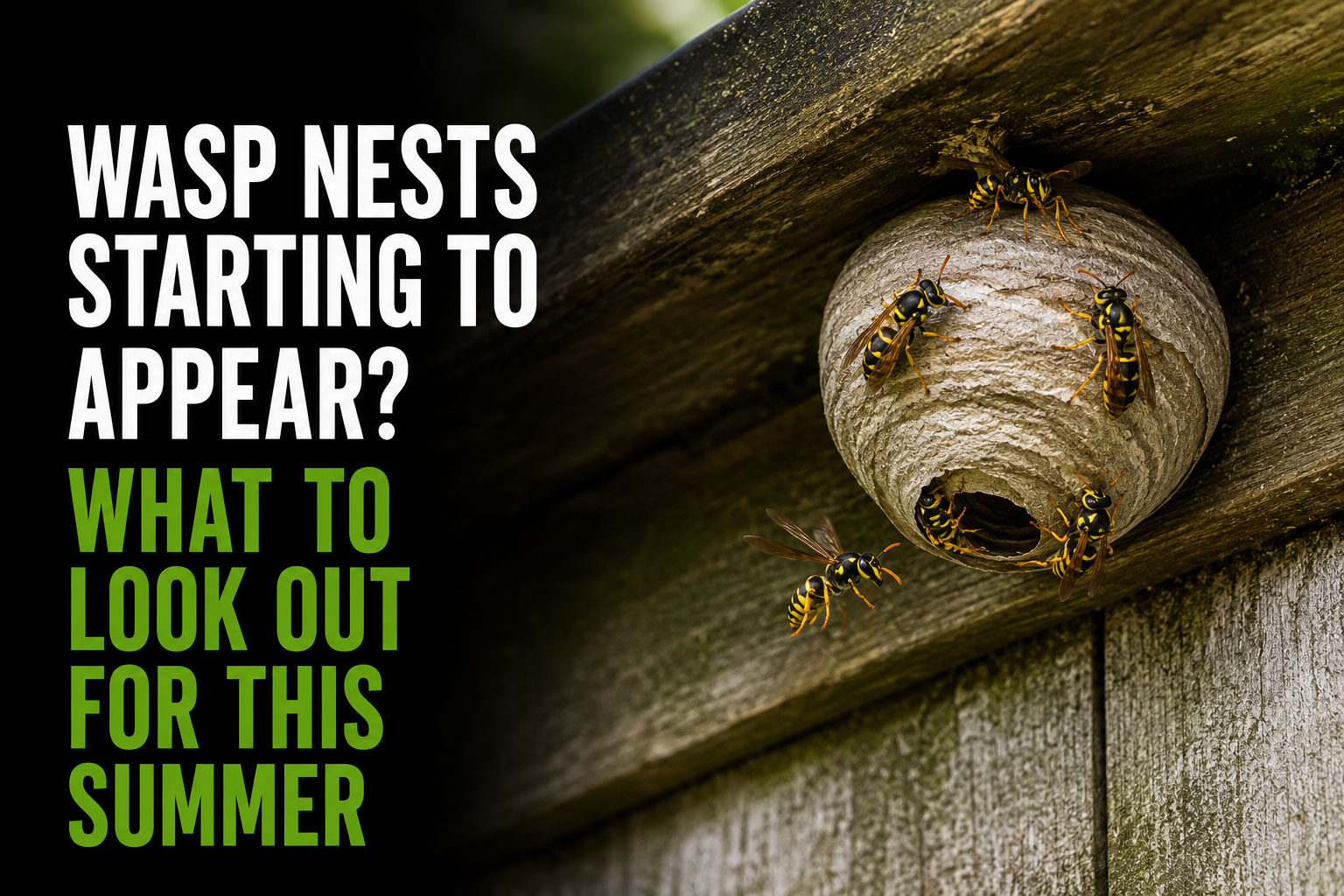
Wasp Nests Starting To Appear In Roof Spaces, Sheds And Garages
Wasp nests often become noticeable during June. Learn where they are commonly found, the signs to watch for and when professional treatment may be needed.

Flying Ants Around Your Home? What Homeowners in North Yorkshire Need to Know
Flying ants often seem to appear overnight during summer. Find out why they arrive, what attracts them to homes and when professional ant control may be needed.

Ants in the House
Ant activity increases across North Yorkshire during summer. Find out why ants enter homes, where they come from and how professional ant control can help.