


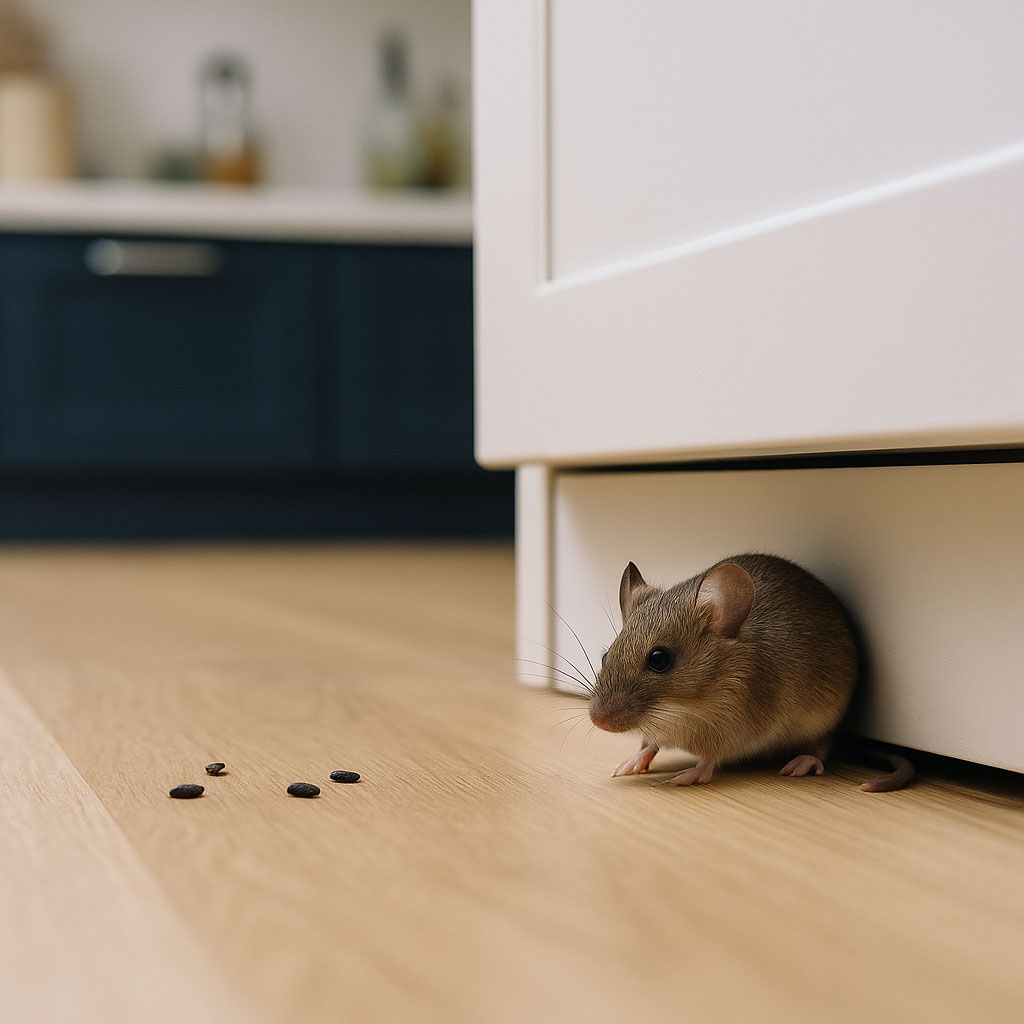
As the weather turns colder, mice begin searching for somewhere warm, dry, and close to a food source. Unfortunately, that often means your home, garage, or business premises.
At Pest Assured, we see a sharp increase in callouts each autumn across York and North Yorkshire. Here’s why it happens — and what you can do to stay one step ahead.
Why Mice Head Indoors
Unlike some animals, mice don’t hibernate. They remain active all year round, which means they need warmth and food even in the coldest months.
Common entry points include:
-
Small gaps under doors and around pipework
-
Cracks in brickwork or old air vents
-
Roof spaces, lofts, and garages
Even the tiniest opening — around the width of a pencil — can be enough for a mouse to squeeze through.
Signs You Might Have Mice
Early signs of mouse activity include:
-
Small black droppings, usually near skirting boards or food cupboards
-
Scratching sounds under floors, behind walls, or in the loft
-
Gnaw marks on cables, cardboard, or food packaging
-
A faint, musky smell
If you notice any of these, it’s best to act quickly. A small problem can become a much larger infestation within weeks.
Why It’s Best to Get Professional Help
DIY traps and supermarket bait often only deal with a small part of the problem. Mice breed quickly and can nest in hidden areas where store-bought products can’t reach.
A professional pest control visit ensures:
-
Full inspection of your property to locate entry points
-
Safe, targeted treatments
-
Advice to prevent re-entry and long-term issues
At Pest Assured, we’re fully qualified and insured, providing a friendly, local service across York and North Yorkshire.
How to Prevent Mice Moving In
Prevention is always the easiest approach.
-
Seal any small gaps in walls, doors, and around pipes
-
Keep food sealed in airtight containers
-
Clear up crumbs and pet food overnight
-
Store firewood away from the house
-
Avoid leaving bird seed or garden food out overnight
Even small changes can make a big difference.
How We Can Help
If you suspect mice have already found their way in, our team can help quickly and discreetly.
We use professional-grade equipment and techniques to remove rodents safely, and we’ll advise you on preventing further issues.
📞 Call: 07375 775 999
📧 Email: enquiries@yorkpests.co.uk
Pest Assured — keeping York’s homes and businesses rodent-free all year round.
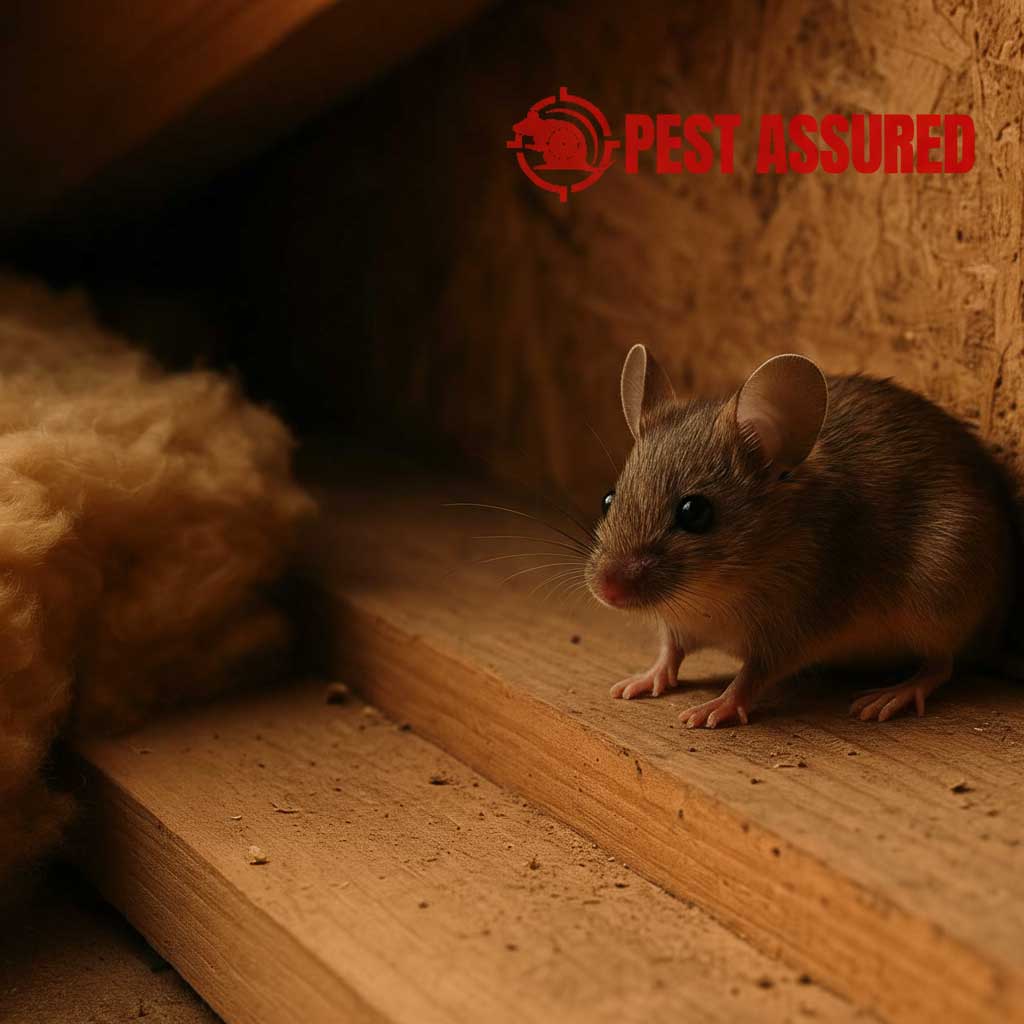
Why You Might Have Mice in Your Loft This Autumn
Mice often move indoors during autumn, seeking warmth and shelter in lofts and walls. Discover the signs, the reasons, and how Pest Assured removes them quickly and discreetly.
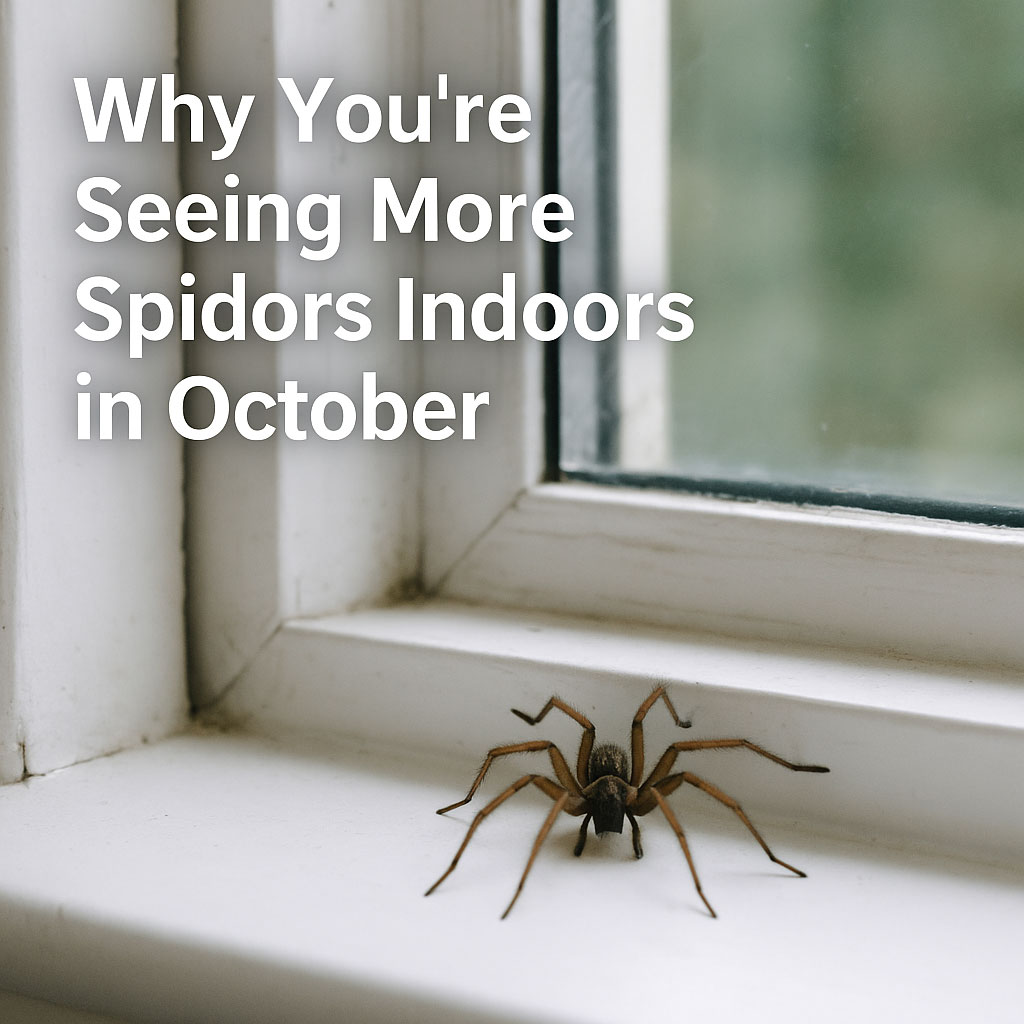
Why You’re Seeing More Spiders Indoors in October
As temperatures fall, spiders move indoors in search of warmth and mates. Learn why you’re seeing more spiders in October and what you can do to reduce them — with professional advice from Pest Assured.
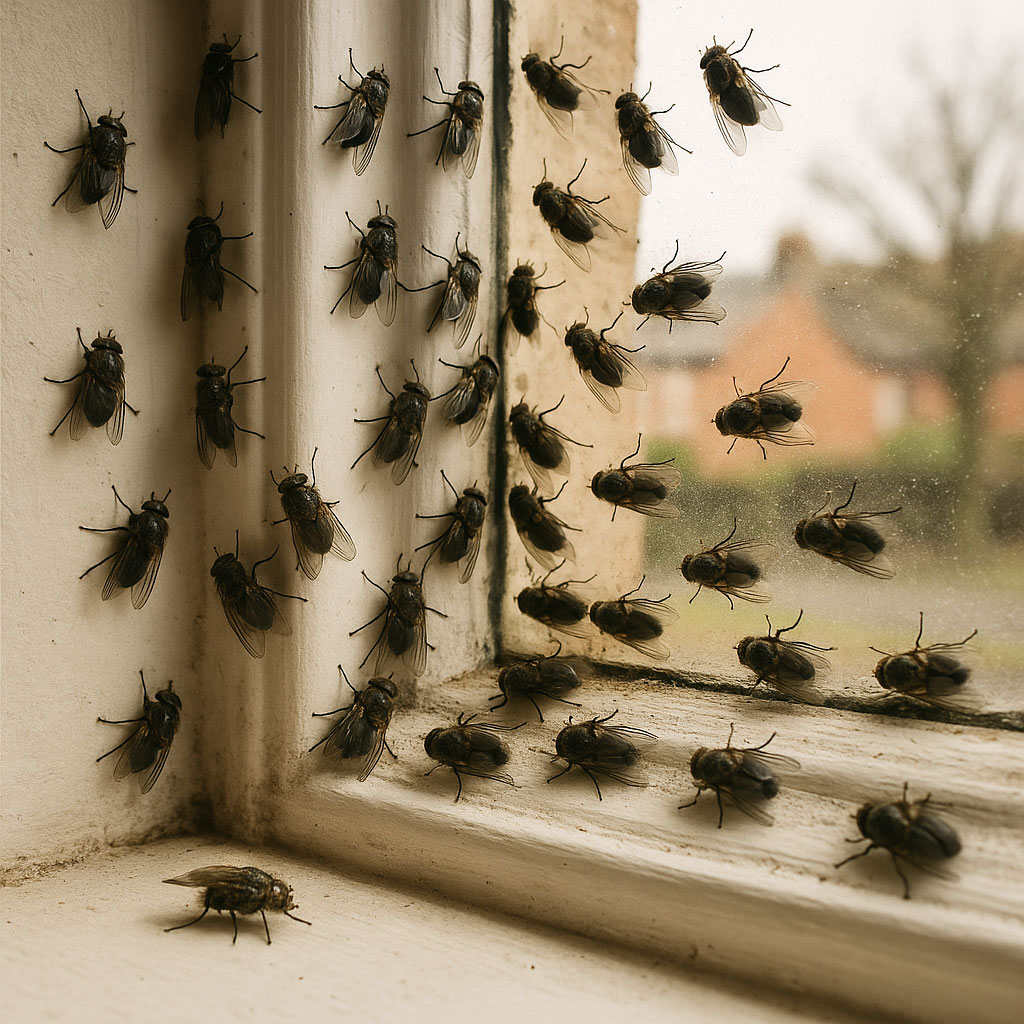
Cluster Flies in Autumn
Cluster flies are a common autumn pest in homes across North Yorkshire. As temperatures drop, these flies gather in lofts, window frames, and wall cavities in search of warmth. This article explains why they appear, the signs to look for, and what steps you can take to remove and prevent them effectively.

Mouse Removal York
Local, professional mouse removal in York. Quick response, no call-out fees, and fully insured pest control you can trust.
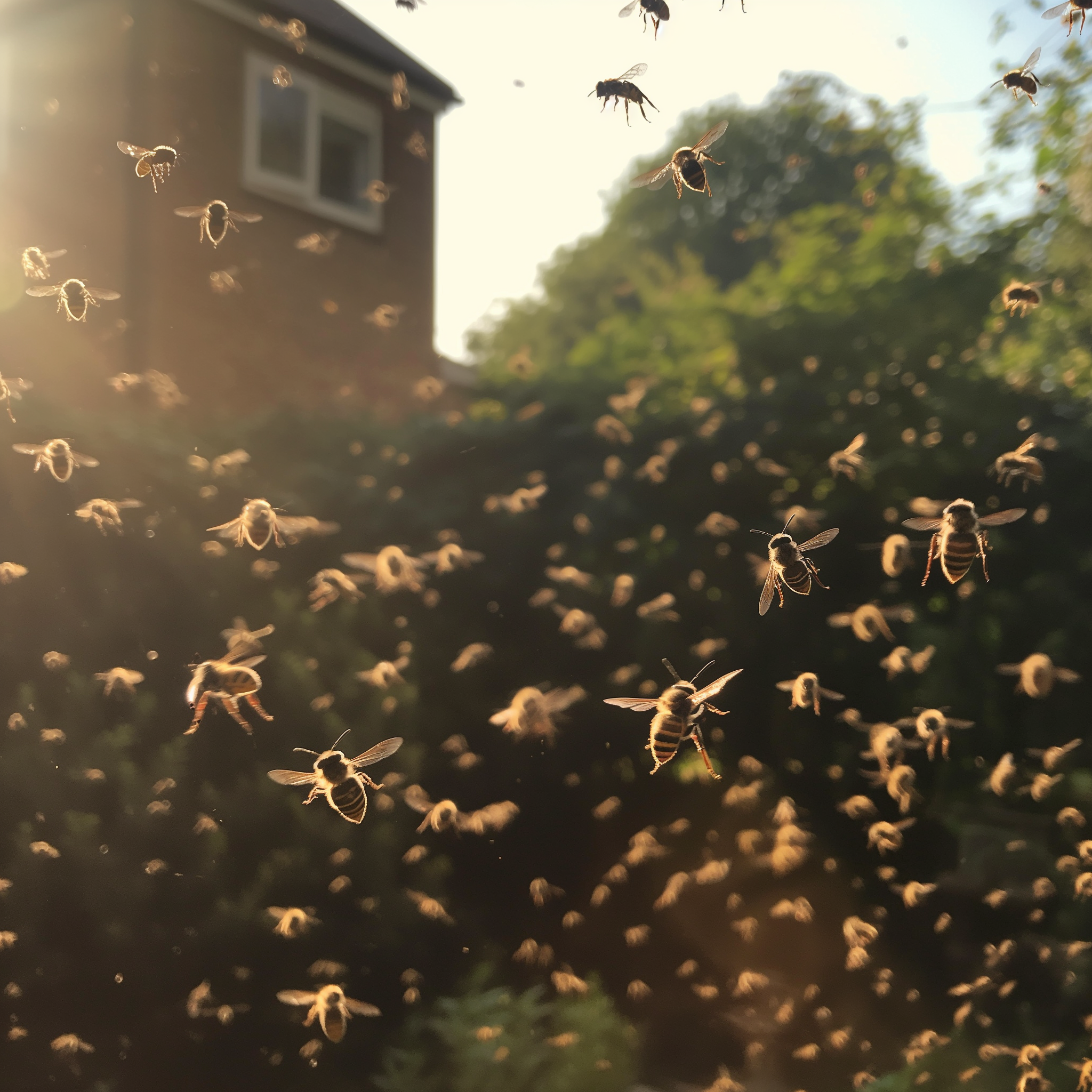
Wasp Season in North Yorkshire
Wasp season is now here. Pest Assured provide professional wasp and nest removal across York, Easingwold, Thirsk and surrounding areas. Contact us today for prompt service.

Wasp Nest Removal In Easingwold and Surrounding Areas
Safe, professional wasp nest removal in Easingwold and surrounding areas. Guaranteed service from trusted local experts.
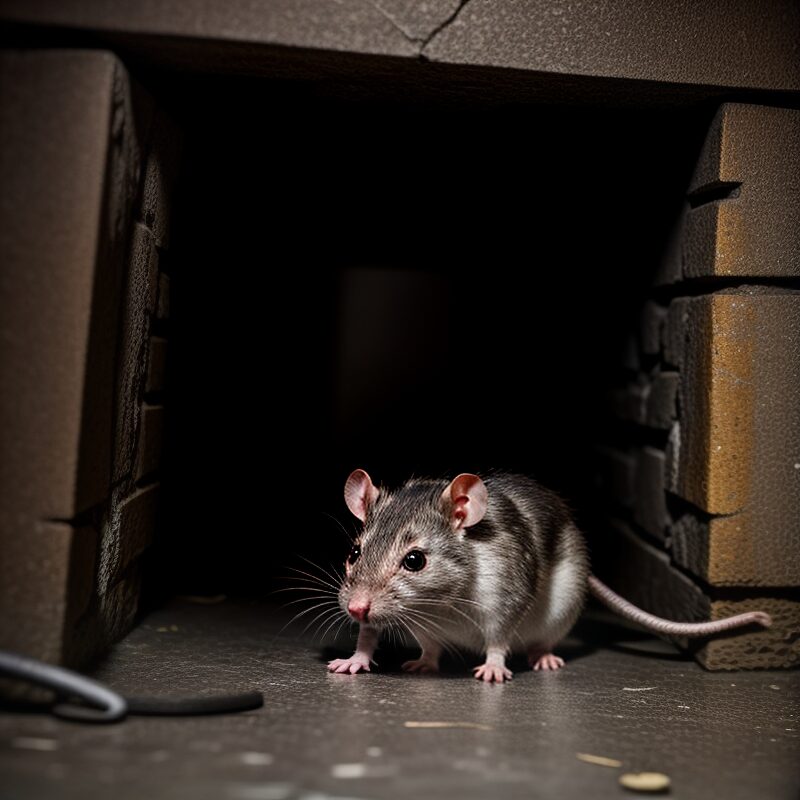
Professional Pest Control Services
Pest Assured provides discreet, professional pest control services across York and North Yorkshire. From rodents and wasps to fleas and moles, we offer fast, effective treatment and honest advice for homes and businesses.
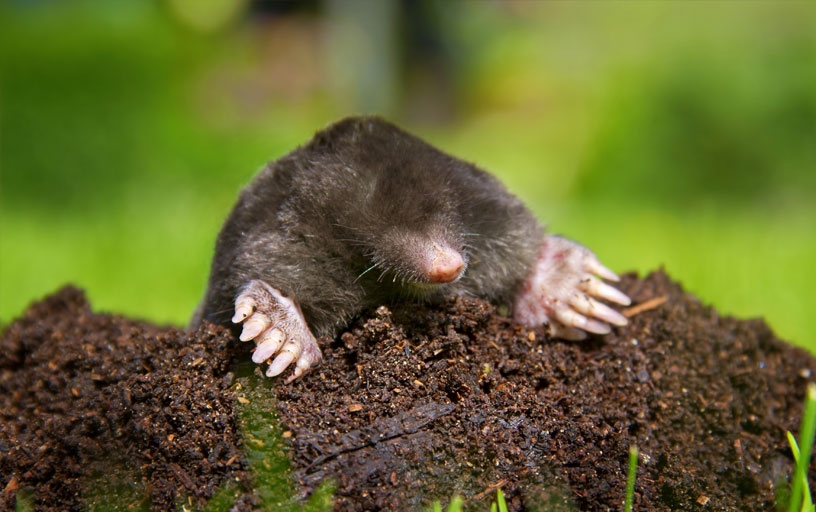
Damage Moles Can Cause
Moles can wreak havoc on gardens, lawns, and driveways, leaving unsightly molehills and causing structural damage. Pest Assured provides professional mole control services in York and beyond, using effective and humane methods to remove moles and protect your property. Contact us on 07375 775 999 or enquiries@yorkpests.co.uk.
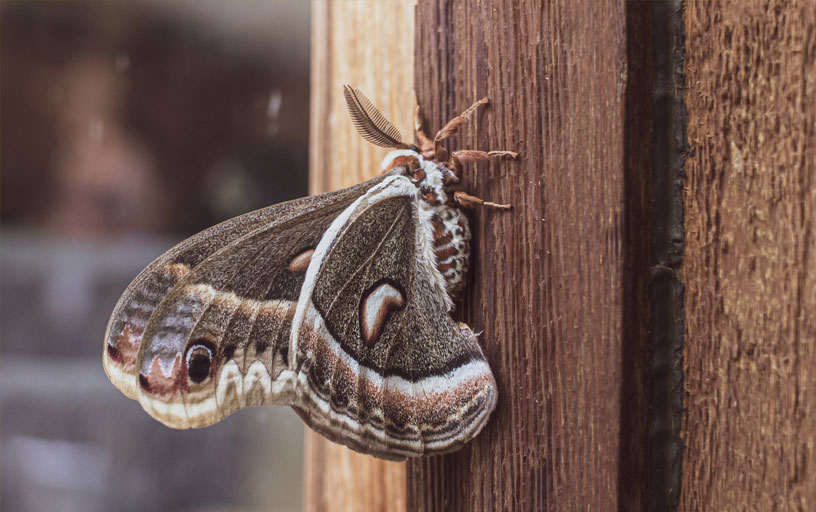
The Damage Moths Can Do in Your Home
Moth infestations can lead to damaged clothing, ruined carpets, and contaminated food. DIY methods often fail to stop the problem at its source. Learn how professional moth control can protect your home and belongings. Contact Pest Assured today – 07375 775 999.
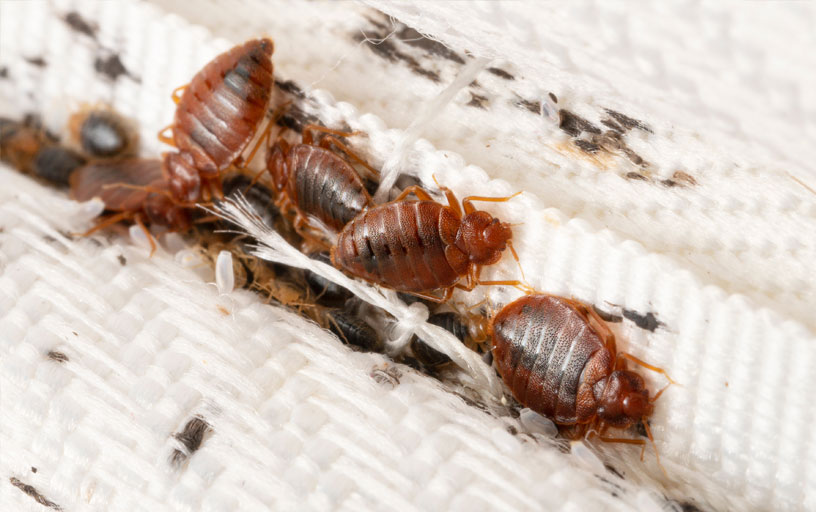
Bed Bug Problems
Bed bugs can cause itchy bites, sleepless nights, and rapid infestations. DIY treatments rarely work—professional help is essential. Pest Assured offers expert bed bug control in York, using proven treatments to eliminate infestations and prevent recurrence. Call 07375 775 999.